The Midlife Wellness Checklist for Men Living in Los Angeles
Los Angeles makes it easy to stay busy. There are hikes before work, long days at the office, dinners with friends, weekend trips, kids’ activities, and more restaurants than anyone could reasonably visit in one lifetime. For many men, especially in their 40s and beyond, the challenge is not finding something to do; it is making time to take care of themselves along the way.
Midlife can be a good point to take a closer look at the habits that support energy, strength, sleep, weight, and overall health. A few practical changes can make a regular routine more sustainable, whether your idea of an active weekend involves a long hike in the Santa Monica Mountains or trying a new restaurant downtown.
Here is a practical midlife wellness checklist for men living in Los Angeles.
*This post was written and sponsored by Gameday Men’s Health
1. Make Strength Training Part of the Week
Cardio gets plenty of attention in an active city, but strength training deserves a regular place in the schedule too.
Resistance exercises can help support muscle strength and physical function as men get older. A routine does not have to mean spending two hours at the gym. Two or three focused sessions each week can be a realistic starting point for many busy schedules.
The goal is consistency rather than trying to train as you did in your twenties.

2. Take a Closer Look at What Is on Your Plate
Living in Los Angeles means having access to an incredible range of food. You don’t need to give that up in the name of wellness.
Instead, pay attention to the overall pattern of your meals. Protein, vegetables, fiber-rich foods, healthy fats, and reasonable portions can all fit into a balanced diet.
Eating out can also fit into a healthy routine. Look for meals that include a good source of protein and vegetables, be mindful of portions, and consider how drinks, appetizers, and desserts fit into the rest of the day.
Healthy eating does not have to mean eating the same meal every night.
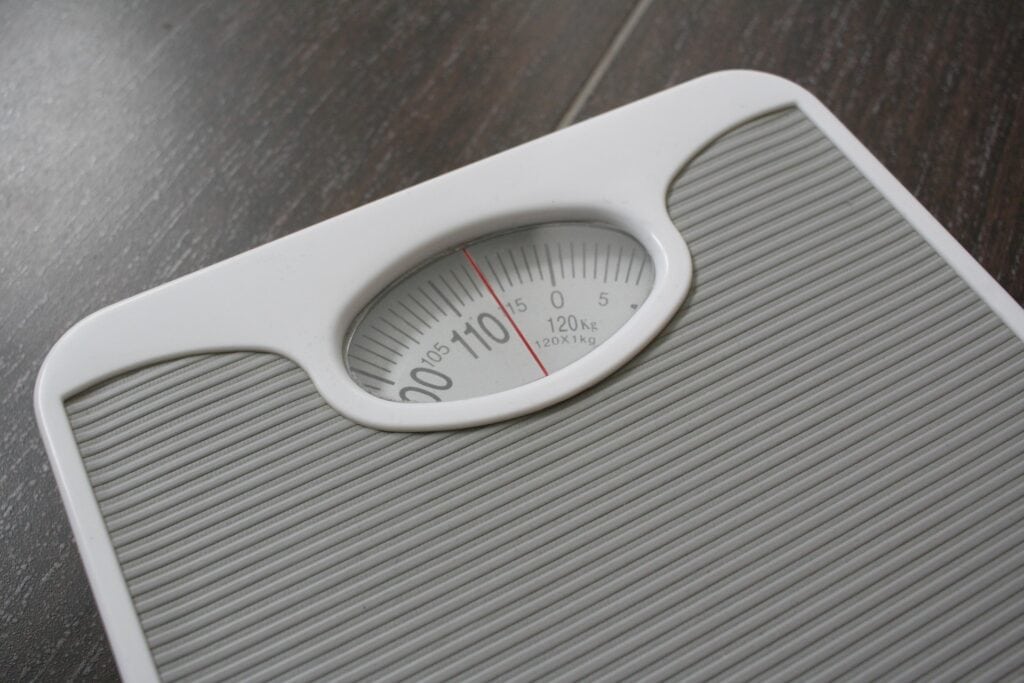
3. Keep an Eye on Your Weight
Weight can change gradually enough that it is easy not to notice until clothes fit differently or everyday activities start feeling harder.
Rather than focusing only on the number on a scale, pay attention to several indicators: waist size, strength, energy, physical activity, sleep, and how consistently you are able to maintain healthy habits.
If losing weight remains difficult despite reasonable changes to diet and exercise, it may be worth discussing the issue with a qualified healthcare professional. Weight gain can have multiple contributing factors, and a personalized assessment can help determine the best approach.
Medical weight-loss programs are one option for men who need additional support. Gameday Men’s Health, for example, offers medically supervised weight-management programs alongside its broader men’s health services.
4. Treat Sleep as Part of Your Health Routine
Sleep is easy to sacrifice when life gets busy.
Late dinners, work deadlines, early meetings, travel, and family responsibilities can all push bedtime later. But consistently poor sleep can make it harder to maintain good eating habits, exercise regularly, and feel energetic during the day.
Aim for a consistent sleep schedule whenever possible. Keep your bedroom comfortable and dark, reduce unnecessary screen time before bed, and pay attention to persistent sleep problems rather than simply accepting them as part of getting older.
5. Pay Attention to Changes in Energy and Recovery
Maybe your workouts take longer to recover from than they used to. Maybe you feel less energetic during the afternoon. Perhaps maintaining muscle has become more difficult even though your routine has not changed much.
These changes can have many possible causes, including sleep, nutrition, stress, activity levels, medications, and age-related changes.
For men experiencing persistent changes in energy, strength, mood, sexual health, or recovery, talking with a healthcare professional can be more useful than trying to diagnose the problem yourself.
6. Don’t Ignore Hormone Health
Testosterone naturally changes with age, but feeling different doesn’t automatically mean low testosterone is to blame.
Symptoms associated with low testosterone can overlap with many other health and lifestyle issues. A proper evaluation can help determine whether hormone levels may be contributing to the way you feel.
Men considering testosterone therapy should make the decision with a qualified healthcare provider based on their symptoms, medical history, and appropriate testing.
For men in the Santa Clarita and Valencia area, a Men’s Health Clinic in Valencia, CA can be one place to discuss concerns about testosterone and other aspects of men’s health.
7. Build Recovery Into Your LA Lifestyle
Los Angeles offers endless opportunities to stay active, but more activity is not always better.
Give your body time to recover between demanding workouts. Walking, mobility work, stretching, and lower-intensity activities can complement harder training days.
Recovery also means knowing when something feels different from ordinary post-workout soreness. Persistent pain, unusual fatigue, or a significant change in physical performance deserves attention rather than being pushed aside.

8. Keep Preventive Care on the Calendar
A wellness routine should involve more than workouts and nutrition.
Regular healthcare appointments can provide an opportunity to discuss blood pressure, cholesterol, blood sugar, family history, medications, sexual health, and other age-related health concerns.
If something has changed since your last checkup, mention it. Small details can help a healthcare professional assess your overall health.

9. Make Wellness Fit Your Actual Life
The best routine is one you can maintain.
For one man, that might mean lifting weights before work and cooking most meals at home. For another, it could mean weekend hikes, walking meetings, better restaurant choices, and two short strength sessions during the week.
The same principle applies to weight management, sleep, and recovery. A plan that fits your schedule is more realistic than one that requires completely redesigning your life.
10. Reassess Your Health as You Get Older
Your health priorities at 40 may not be the same as they were at 30. At 50, they may change again.
That does not mean chasing every new health trend. It means periodically asking whether your current habits still support the life you want to live.
For men in Los Angeles, that can mean staying strong enough for weekend hikes, having the energy for family and work, enjoying the city’s food scene without losing sight of health goals, and addressing persistent changes instead of simply writing them off as aging.
Midlife wellness is less about following a perfect routine and more about paying attention. Strength, nutrition, sleep, weight, recovery, preventive care, and hormone health all deserve a place in the conversation.
A sustainable approach leaves room for both health and the things that make Los Angeles life worth living.