From Shawarma to Fine Dining: Exploring Dubai’s Food Culture
Walk ten minutes in any direction and the menu changes. Breakfast might be flatbread with cheese and thyme, lunch a South Indian fish curry, dinner a seven-course tasting menu with a view of the world’s tallest tower. This is Dubai’s food culture at its most mixed-up and honest; see why this city should be at the top of your foodie exploration list.
*This post is written and sponsored by VeePN, a must when traveling in the UAE.
The Humble Shawarma Rules the Street
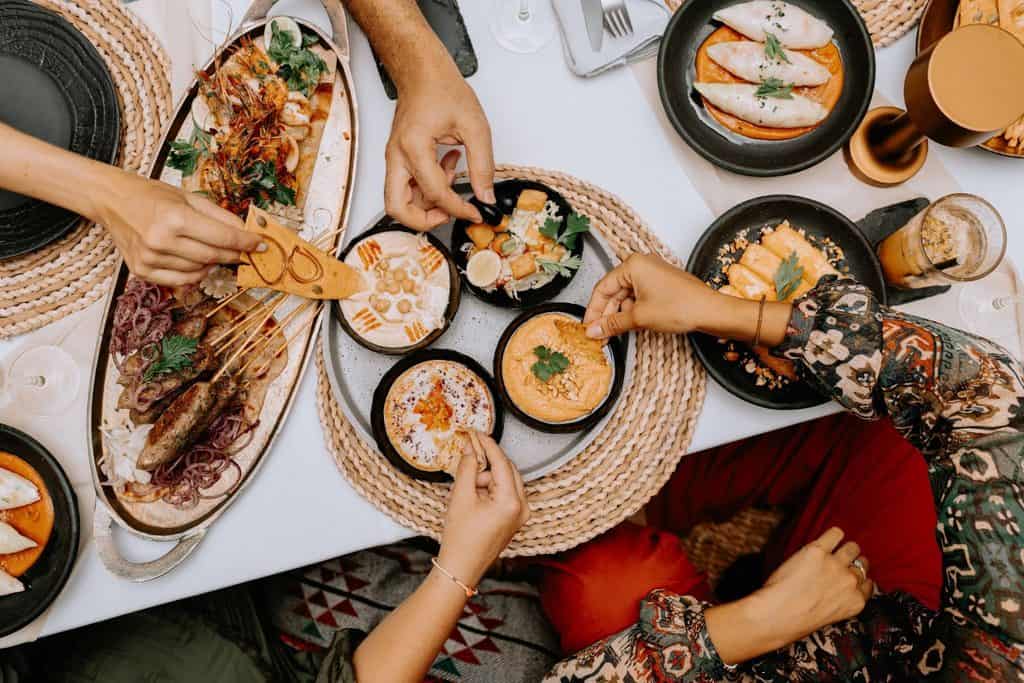
Every food story in Dubai starts at a counter with a spinning spit of meat. Shawarma is the city’s great equalizer: a taxi driver, a banker, and a backpacker queue for the same wrap, often for under 15 dirhams (about $4 USD). Garlic sauce, pickles, a squeeze of lemon, done.
Then come the sides. Falafel, hummus warm enough to fog your sunglasses, and fresh juice squeezed while you wait. Small cafés in older districts like Karama and Satwa keep prices low and flavors loud, and they have fed generations of newcomers before the glass towers got their first tenant.
Booking a Table Before You Land
Dubai’s best restaurants fill up fast, especially from November to March when the weather turns kind. Most travelers reserve a week or two ahead, and for the famous names, a month is safer. Check opening hours, read recent reviews, and always confirm dress codes, because some rooms expect smart outfits.
Reservations mean typing in names, phone numbers, and credit card details, often on hotel or airport Wi-Fi. That is exactly where a VPN earns its place, since it encrypts your traffic and keeps strangers on the same network from peeking at it. If you are curious about how this works for visitors, you can learn more about using a VPN in the UAE and then pick a spot for dinner with a calmer mind. Just use it lawfully and follow local rules.
Where Locals Really Eat
Locals and long-term residents know the best meals are rarely in the shiny malls. They go to family-run places for slow-cooked rice with spiced meat, grilled fish by the creek, and thick stews that taste as if someone’s grandmother made them. Emirati cooking leans on saffron, cardamom, dried lime, and dates. Flavors shaped by trade routes and desert life.
Then there’s dessert. Warm date-sweetened dumplings drizzled with syrup, spiced milk tea in paper cups, and cardamom coffee in tiny handleless vessels all keep old hospitality alive.
A Weekend Tasting List
If you only have a weekend in Dubai, this short list covers a lot of ground:
- Shawarma wrap from a corner café, the classic starter.
- Fresh falafel with tahini and pickled turnips.
- Slow-cooked lamb and rice at a heritage restaurant.
- Date-sweetened dumplings with warm syrup.
- One tasting menu, just once, to see the other side of the city.
How Fine Dining Found Its Home
Dubai did not stop at street food. As the city grew into a global hub, celebrity chefs and hotel groups followed, and kitchens began competing for attention the way skyscrapers compete for height. Today you can eat beside a giant aquarium or in a rooftop room that feels like a private club.
Competition is fierce. Dubai has more restaurants per capita than any major city except Paris, according to AP reporting, so every opening needs a hook. Some hooks are gimmicks; others are brilliant.

Michelin Stars Put Dubai on the Map
The clearest sign of this shift is the Michelin Guide. Its first Dubai edition in 2022 listed 69 restaurants across 21 cuisines. The 2026 edition lists 122 restaurants covering 38 cuisines, including 20 with stars and 22 Bib Gourmand picks for good value.
Two restaurants hold three stars: Trèsind Studio, which serves Indian cuisine, and FZN by Björn Frantzén. Homegrown favorite Orfali Bros was promoted to two stars, making it the first Middle Eastern restaurant in Dubai to reach that tier.
Quick fact: the Guide’s Dubai selection has grown by about 77% since its debut.
Where Street Flavors Meet Fine Dining
What makes Dubai special is that fine dining does not always mean European. Chefs from India, Lebanon, Syria, and across the Gulf reinterpret childhood dishes with modern technique. A street snack can become a tasting-menu course, and a humble bread can arrive with caviar.
This blend works because diners are curious. With so many nationalities at the table, a chef can pair saffron with miso or lamb with pomegranate, and nobody bats an eye.
Festivals and Seasons Shape the Menu
The calendar matters too. During Ramadan, restaurants build special sunset menus for breaking the fast, and neighbors share long tables.
Visit during these windows, and you will find chefs testing new ideas, pop-ups in unexpected corners, and a city that seems to talk about nothing but dinner.
Eating Well Without Overspending
Fine dining is not the only way to enjoy the city. Bib Gourmand listings and weekday set lunches let you taste ambitious cooking at gentler prices. A smart plan is to mix both worlds: shawarma for lunch, a long dinner on the last night.
Taste the City Slowly
Dubai’s food is a story of arrivals. People came for work, packed recipes in their suitcases, and opened tiny counters that grew into restaurants and, sometimes, empires. Whether you start with a wrap on the sidewalk or finish with a three-star dinner, you are tasting the same story.
So go hungry, go curious, and go slowly. Dubai’s food culture rewards people who wander, ask questions, and say yes to the second plate whenever it is offered. The best meal in Dubai is often the one you did not plan.